What Is Embedded Finance? A Complete Guide
Learn what embedded finance is, how it works, and why it matters. This guide explains the embedded finance market, real examples, and trends shaping its future.

Embedded finance is the integration of financial products into software or services people already use. It lets someone pay, hold money, borrow, purchase insurance, or invest within an existing experience. For example, a merchant can manage sales and access a business account through the same commerce software.
What do Wix, Toast, Uber, and Shopify have in common? Financial services are part of the experience, alongside the work their customers came to do.
For software companies, that connection creates an opportunity: help customers manage the money tied to their work, whether they are receiving sales proceeds, paying suppliers, or funding their next purchase.
This guide covers common embedded finance examples, how the infrastructure works, and what companies need to consider before launching.
TL;DR
- Embedded finance puts financial products inside software people already use, including payments, accounts, cards, lending, insurance, and investing.
- For software companies, it can create new revenue and strengthen retention by helping customers manage money alongside their everyday work.
- Launching takes more than an API integration. Financial providers, infrastructure, and clear responsibilities for compliance, fraud, and support keep the product running.
- Unit provides financial infrastructure for software companies, with managed and custom approaches that let teams choose how much they build and operate.
Embedded finance examples
Embedded finance takes different forms depending on the customer and the task. A consumer might add insurance while booking a trip. A business owner might pay a supplier from the software they use to manage expenses.
1. Embedded payments
Embedded payments let customers make or accept payments within a product. Checkout is the most familiar example: a shopper pays without being redirected to an unrelated payment experience.
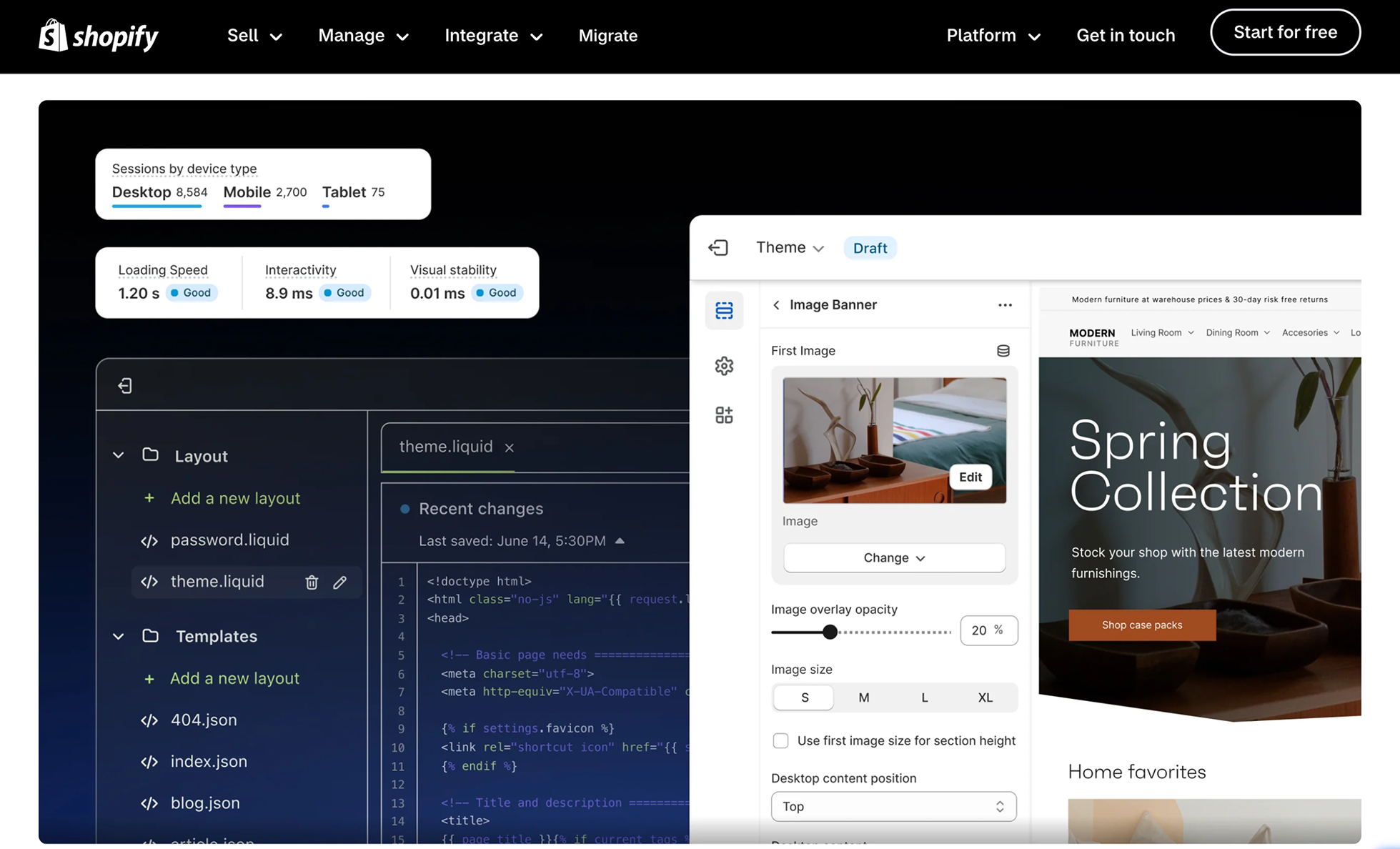
For merchants, software such as Shopify brings payment acceptance into the tools used to run a store. Orders and payments can be managed together, making it easier to connect a transaction to the sale behind it.
The same principle applies beyond commerce. A customer pays for a ride in a ride-hailing app, or pays an invoice through the software that generated it.
2. Branded payment cards
An embedded card program lets a company offer a debit or credit card connected to its product. Customers can use the card to spend money they earn through the software or cover business expenses.
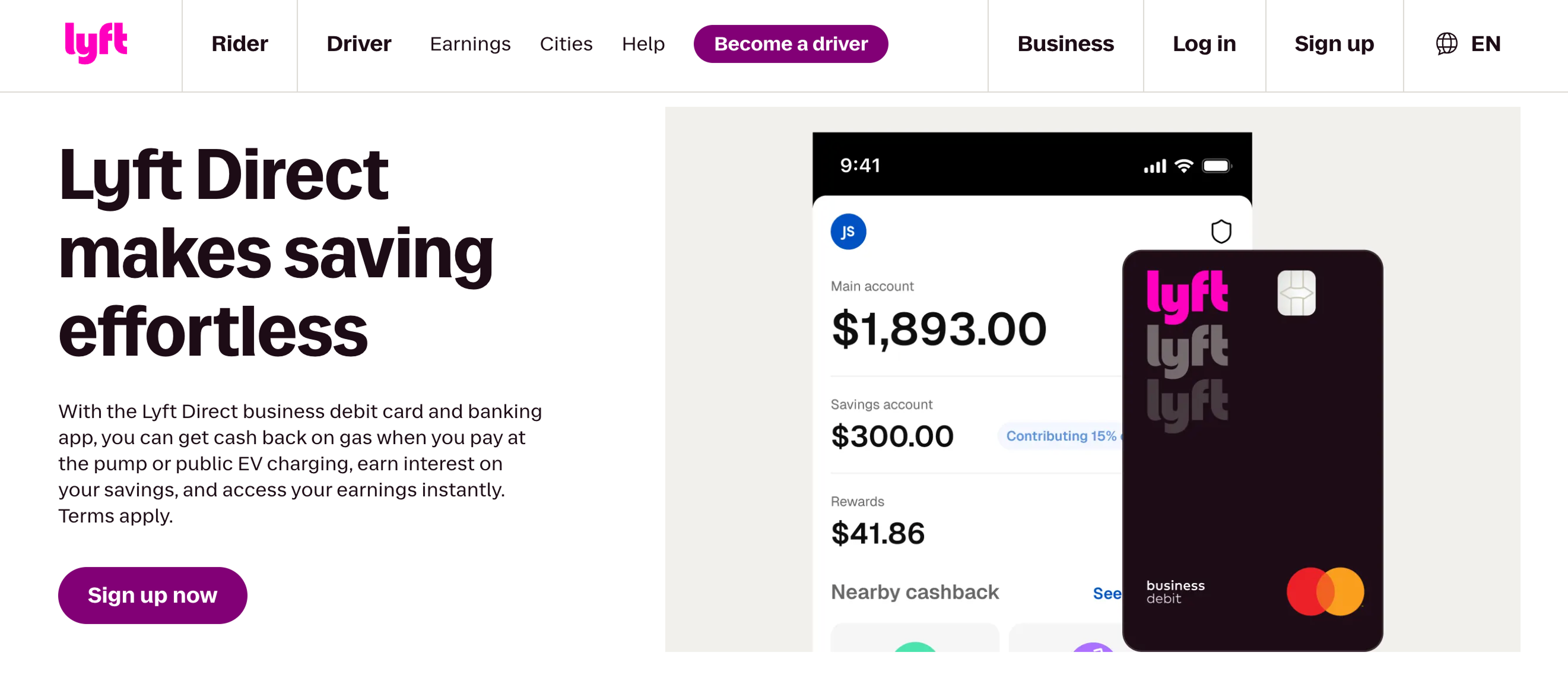
Lyft Direct, for example, combines a business debit card and banking app with access to driving earnings and rewards on eligible purchases.
Rewards tailored to customers’ everyday expenses, such as gas or EV charging for drivers, give them a reason to choose the card and use it regularly. For the software company, that usage can deepen engagement and generate a share of interchange revenue.
3. Embedded lending
Embedded lending gives customers access to credit within another product. This includes installment financing at checkout and business credit offered through software a company already uses.
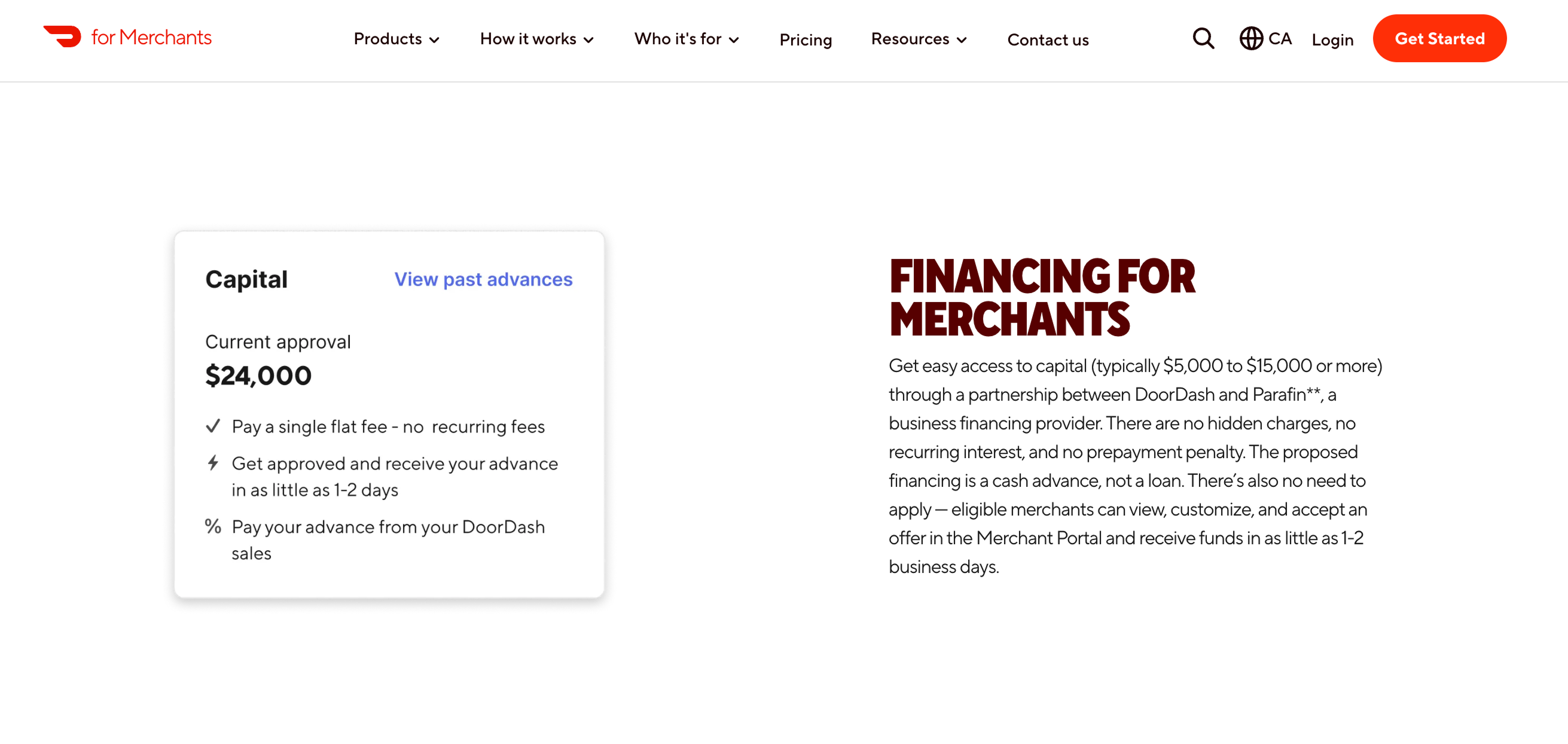
Related capital products include merchant cash advances. DoorDash Capital makes these available to eligible merchants, with payments based on a percentage of their DoorDash sales. A merchant cash advance is distinct from a loan.
Software can provide useful context for a financing offer, such as a merchant’s sales history. The financing provider determines eligibility and terms; embedding the application does not remove underwriting or approval requirements.
4. Embedded bank accounts
Embedded banking lets customers access bank accounts through a software experience. Accounts can provide a place to receive funds, hold balances, and make payments connected to the customer’s work.
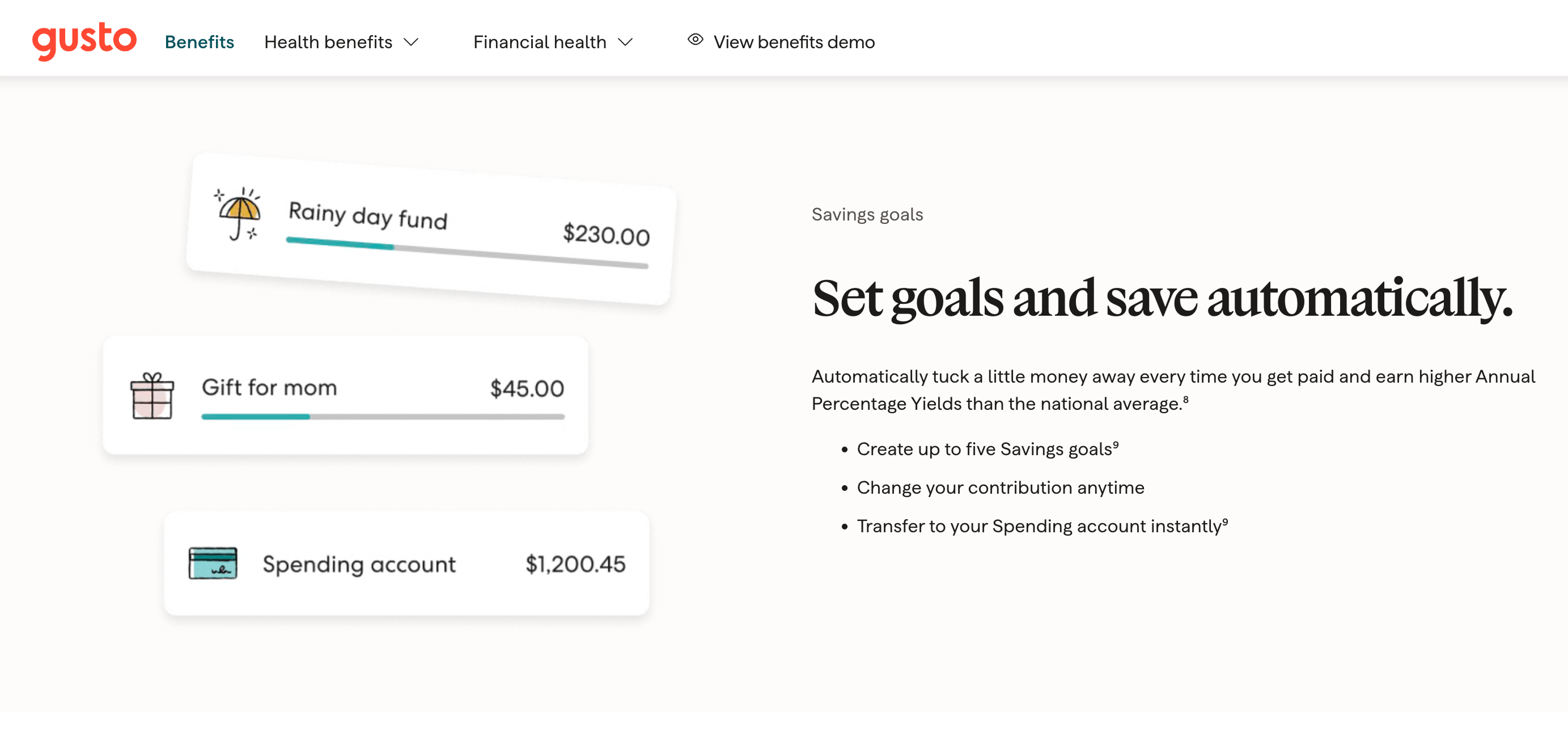
Shopify Balance illustrates how a financial account can sit alongside commerce tools. Gusto Wallet connects payroll with spending and savings features, with banking services provided by its bank provider.
For business software, an account can become the connection between collecting revenue and paying expenses. The account structure matters: a deposit account and a balance recorded within a custodial arrangement are not interchangeable descriptions.
5. Embedded insurance
Embedded insurance makes coverage available within a related purchase or service. Examples include travel insurance during booking and shipping insurance when arranging a delivery.
The connection can continue after purchase. Tesla Insurance policyholders can manage coverage, payments, and policy documents through the Tesla app.
The value is context: customers encounter coverage where the need arises and can manage it alongside the item or activity being insured.

6. Embedded investing
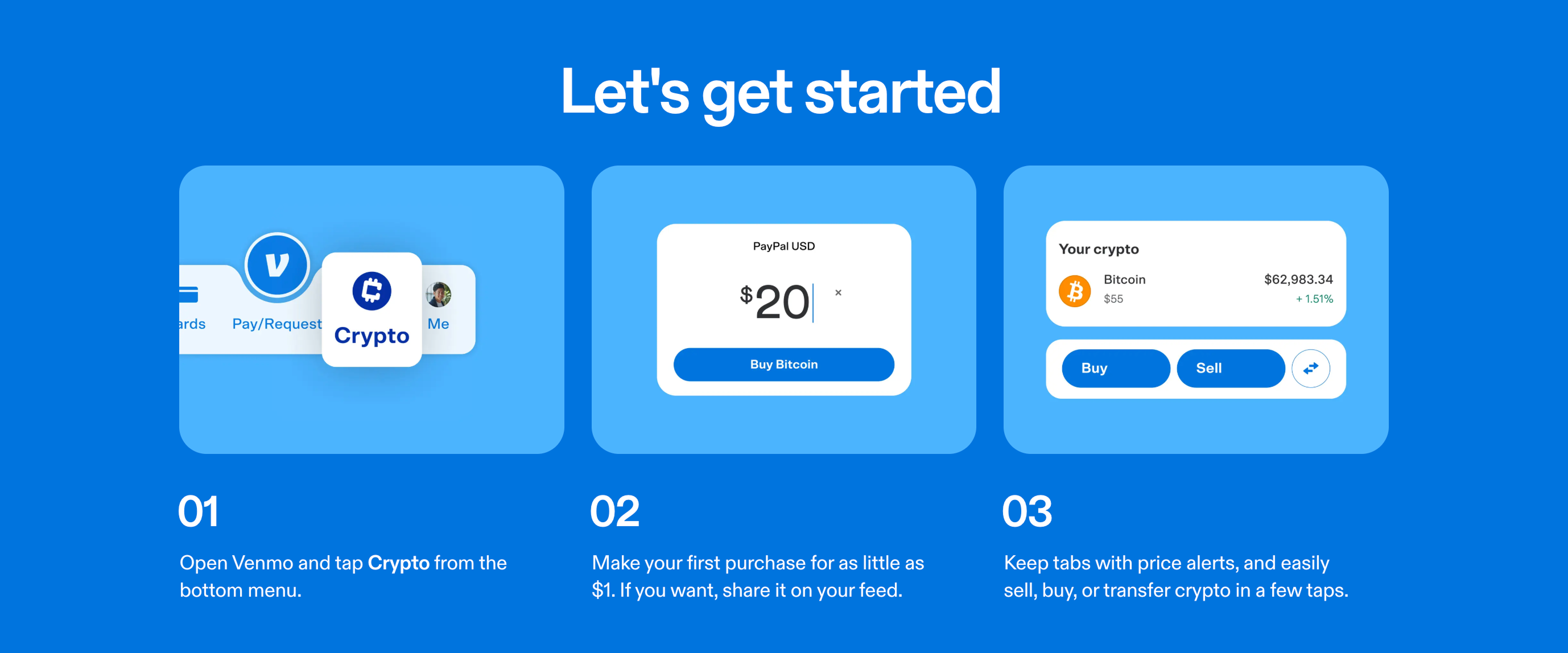
Embedded investing adds investment capabilities to an existing digital experience. A familiar example is Venmo’s crypto offering, which lets eligible customers buy, sell, hold, and transfer cryptocurrency within the app.
Investment products have different risks and protections from bank accounts. Integrating them into familiar software changes how customers access them, but does not remove those differences.
7. Embedded Accounts Payable
Embedded accounts payable lets a business manage bills and make payments within its operating software. A useful experience connects the amount owed, the recipient, and the payment status.
For example, Baselane lets users schedule payments from their Baselane checking account using methods including ACH, wires, and mailed checks.
The value here is twofold:
- Users get a clearer view of their cash flow.
- The product becomes more central to everyday financial management.
This creates stickiness and opens the door for layered features like automated payments, real-time alerts, or even financing when cash is tight.

8. Embedded Accounting
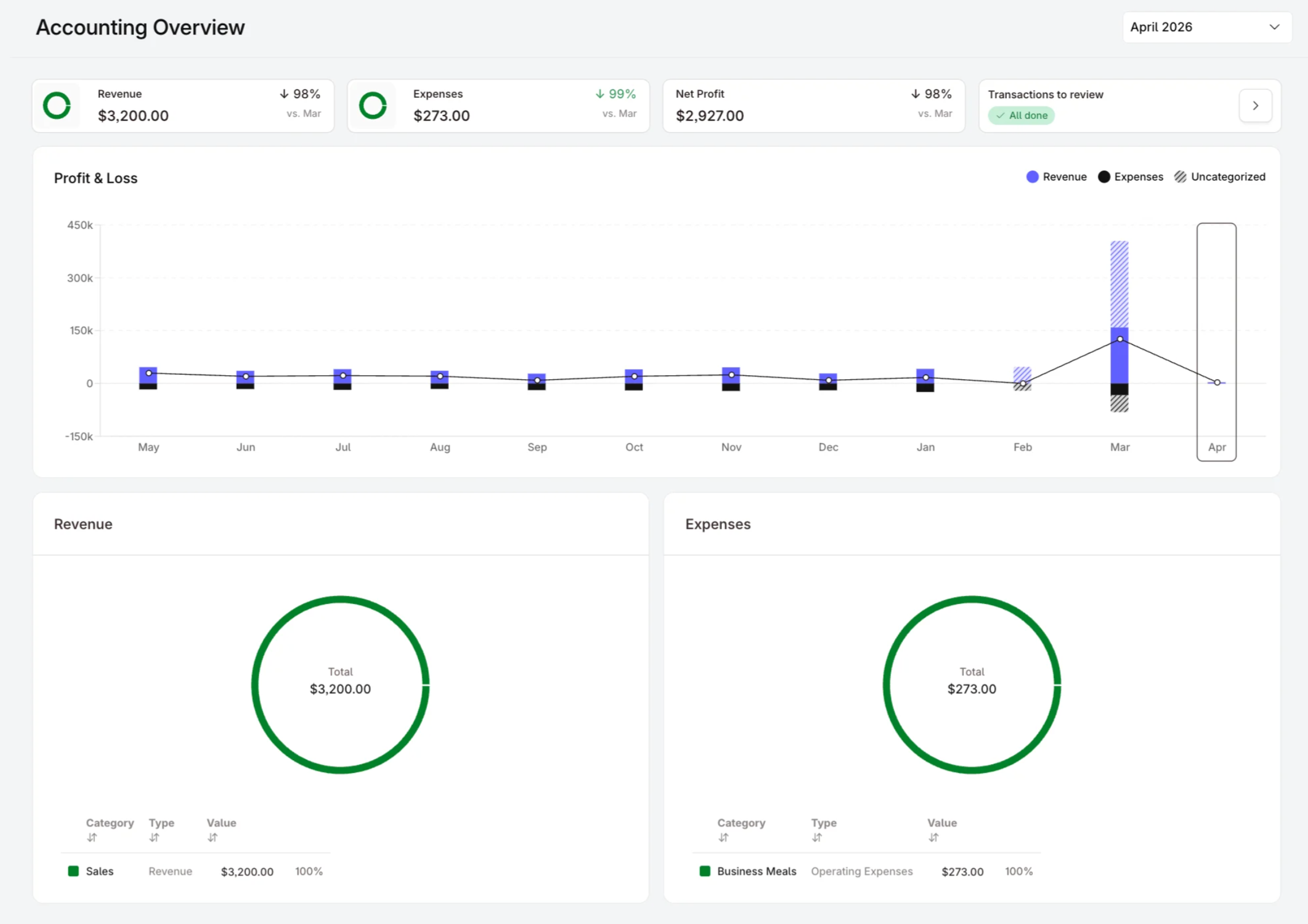
Accounting is an important companion to embedded finance. Recording or categorizing a transaction is an accounting function; enabling the customer to make that payment or hold the funds adds a financial product.
Dripos, for example, connects coffee shop sales, payroll, and expenses with financial records. That illustrates why financial activity is more useful when it stays connected to business operations.
For companies offering embedded financial products, the opportunity is to connect an action to its accounting consequences: a paid bill, an incoming deposit, or a card purchase that appears with the context needed to reconcile it.
How embedded finance works
Embedded finance combines a customer-facing software experience with the infrastructure and regulated providers needed to deliver a financial product. The exact arrangement depends on the product, geography, and responsibilities each party takes on.
Financial providers support the underlying product
In a U.S. banking program, a bank provides the banking services. Other products involve different providers, such as lenders, insurers, or investment firms.
The software company shapes how customers discover and use the product. Its responsibilities must be defined alongside those of the financial institution and infrastructure provider, including onboarding, disclosures, servicing, and oversight.
APIs and ledgers connect actions to money
APIs let software request financial actions, such as opening an account, initiating a payment, or retrieving a balance. A ledger records the resulting financial activity.
These actions have lifecycles. A payment request may be pending, rejected, or completed. A card authorization can place a hold before a transaction settles. Software needs to display those states accurately and respond when something changes.
For a concrete example, Unit’s payments documentation describes payment resources and their statuses.
Operations keep the product running
The work continues after integration. Someone must handle failed payments, review suspicious activity, reconcile records, resolve disputes, and answer customer questions.
A branded experience also needs to explain who provides the financial service. Embedding a product makes it easier to access; the relevant provider disclosures and customer protections still apply.
Embedded finance vs. banking as a service vs. open banking
Embedded finance describes a customer experience. Banking as a service describes an approach to making banking capabilities available to other companies. Open banking concerns permissioned access to account information and, in some markets, payment initiation.
These concepts can overlap. An embedded financial product may use open banking to connect an external account. The available capabilities and rules differ by market; the UK Open Banking Standard, for example, covers both information sharing and payment initiation.
Financial infrastructure is broader than bank access alone. It can include the ledger, payment connectivity, APIs, and operational tooling needed to build and run the product.
Why software companies offer embedded finance
Embedded finance can help software companies solve financial problems that sit directly beside their core product. Its business value depends on whether customers adopt and continue using those capabilities.
Make everyday work easier
A landlord needs to collect rent and pay contractors. A merchant needs access to sales proceeds and money for inventory. Connecting those activities to existing software can reduce switching between systems and give customers a clearer view of their finances.
Create additional revenue
Revenue can come from a share of card interchange, economics tied to deposit balances, payment fees, or capital products. The available revenue streams depend on the product and commercial agreement.
Evaluate net economics as well as revenue. Adoption, transaction volume, customer balances, provider fees, support costs, and responsibility for losses can all affect the result.
Give customers more reasons to stay
When customers use software to run their business and manage the money associated with it, the product can become more useful day to day. Retention benefits follow from that utility; adding a financial feature alone does not guarantee them.
[Review the existing benefits graphic before retaining it. Remove unsupported performance claims or broad claims about traditional banks.]
What does it take to launch and operate embedded finance?
Launching embedded finance requires a clear use case, suitable financial providers and infrastructure, and an agreed operating model. Start with a specific customer problem, then work through the responsibilities that come with solving it.
Define the product and its users
Decide who the product serves and what financial action it enables. An account for a small business, a consumer payment feature, and a credit product have different requirements.
Map the flow of funds and the customer experience, including what happens when a payment fails or access to an account is restricted.
Assign compliance and verification responsibilities
Customer identification and business verification, commonly called KYC and KYB, are part of onboarding for many financial products. Programs also need appropriate monitoring, disclosures, and processes for handling exceptions.
Document which party collects information, reviews applications, requests additional evidence, and handles escalations. The applicable requirements depend on the product and program.
Plan for fraud and servicing
Consider account takeover, unauthorized payments, disputes, and other product-specific risks. Define controls and escalation procedures, along with who bears the associated losses.
Customers also need help when money does not arrive as expected. Support teams need access to transaction information and a clear route to resolving the issue.
Choose what your team will operate
A managed approach can delegate defined parts of the experience and operations to a provider. A custom approach gives the software company more control and responsibility.
Compare technical ownership, day-to-day operations, and economics together. Confirm what is included, what remains with your team, and how the arrangement can evolve as usage grows.
How Unit supports embedded financial products
Unit provides financial infrastructure for software companies to store, move, spend, and lend money inside their products.
The Unit Platform brings accounts, payments, cards, and capital together on a native ledger, with APIs and tooling to support ongoing operations. This gives teams a shared foundation as they add financial capabilities.
Companies can choose how much they want to build and operate. With Managed Solutions, Unit builds and maintains Banking and Bill Pay modules and provides end-customer support under the company’s brand. With a custom implementation, companies build on Unit’s APIs and components, with operational responsibilities defined by the program agreement.
Both approaches use the same underlying infrastructure. The choice depends on the experience you want to create, the responsibilities you want to own, and your business model.
Explore Unit’s financial infrastructure or talk to our team to find the right starting point.
Frequently asked questions about embedded finance
What is embedded finance in simple terms?
Embedded finance means using a financial product within software or a service you already use. Examples include paying inside a ride-hailing app, accessing a business account through commerce software, or buying insurance during checkout. The financial product is connected to the activity that creates the need for it.
How is embedded finance different from banking as a service?
Embedded finance describes how customers access financial products within another experience. Banking as a service describes an approach to providing banking capabilities to other companies. A banking-as-a-service arrangement can support an embedded banking product, but embedded finance also includes products such as insurance and investing.
How is embedded finance different from open banking?
Embedded finance puts financial products inside another experience. Open banking enables customer-authorized access to existing account data and, where supported, payment initiation. The two can work together: an embedded financial product might use open banking to connect a customer’s external account.
How do software companies make money from embedded finance?
Software companies can earn revenue through payment fees, a share of card interchange, economics tied to deposit balances, or capital products. The mix depends on their offering and provider agreements. Profitability also depends on adoption, usage, operating costs, and how financial risks are allocated.
What do you need to launch embedded finance?
You need a defined customer use case, appropriate financial providers and infrastructure, a customer experience, and an operating model. Before launch, agree who handles onboarding, compliance tasks, fraud reviews, reconciliation, disputes, and support. The requirements vary by product, geography, and implementation.
What are the main risks of embedded finance?
Risks include fraud, unauthorized transactions, compliance failures, inaccurate records, service disruptions, and unclear responsibility when something goes wrong. Credit products also involve repayment risk. Controls, reliable infrastructure, and explicit agreements help manage these risks throughout the product’s lifecycle.
The content in this article is provided for general informational and educational purposes only and should not be construed as legal, tax, accounting, or regulatory advice. Unit does not warrant or guarantee the accuracy, completeness, adequacy, or currency of the information provided, and the content may not reflect all considerations relevant to a particular business, product, or use case.
Frequently asked questions about embedded finance